
Leading Foundation Repair Equipment And Materials For Lasting Solutions
Equip yourself with top-quality foundation repair products that deliver dependable and lasting structural support.
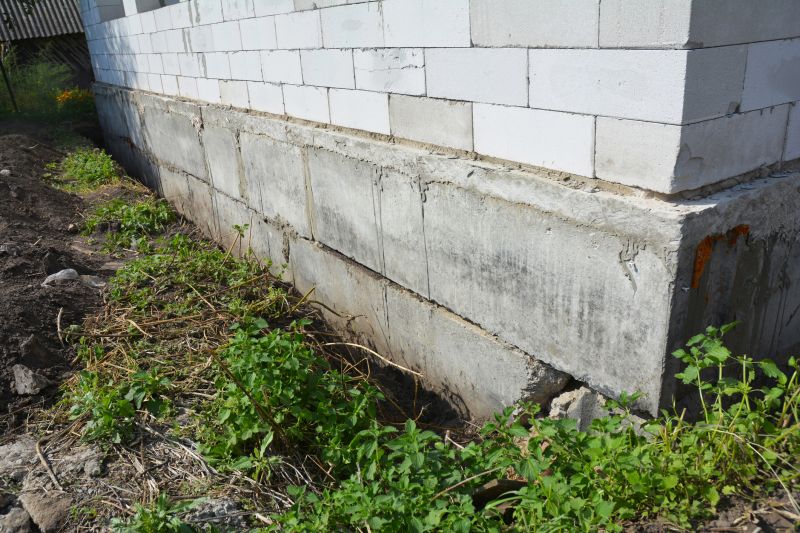 Foundation repairs are a critical aspect of maintaining the stability and safety of a building. When issues such as settling, cracking, or shifting occur, selecting the right products can help address these concerns effectively. There is a wide variety of repair solutions available, each designed to target specific types of foundation problems. From structural supports to surface stabilization, understanding the options can assist homeowners and contractors in making informed decisions.
Top Overall Option
Polyurethane Foam Injection System
Polyurethane foam injection systems are versatile and widely used for foundation crack repairs and stabilization. They expand upon application to fill voids and cracks, providing a flexible yet durable solution that adapts to soil movement. This method is suitable for sealing leaks, stabilizing soil, and lifting settled foundations, making it a comprehensive choice for various foundation issues.
Types of Products For Foundation Repairs
Concrete Piers and Supports
Used to lift and stabilize sinking or settling foundations by transferring load to stable soil layers.
Carbon Fiber Reinforcement Straps
Applied to cracked walls to provide additional strength and prevent further cracking.
Hydraulic Push Piers
Mechanically driven supports that lift and stabilize foundations affected by settlement.
Helical Piles
Deep foundation supports screwed into the ground for added stability in challenging soil conditions.
Soil Stabilization Agents
Chemical or physical treatments used to improve soil bearing capacity and reduce settlement.
Underpinning Systems
Techniques to strengthen and stabilize existing foundations, often involving adding support beneath the structure.
Crack Injection Sealants
Materials like epoxy or polyurethane injected into cracks to seal leaks and prevent water intrusion.
Surface Waterproofing Membranes
Applied to exterior foundation walls to prevent water infiltration and reduce hydrostatic pressure.
Drainage Systems
Drain tiles and sump pumps installed to manage water flow and reduce soil moisture impact on foundations.
Mudjacking and Slab Jacking
Lifting sunken concrete slabs by injecting a grout mixture beneath the surface.
Vapor Barriers
Installed to control moisture vapor migration and protect foundation walls from dampness.
Foundation Wall Anchors
Metal anchors installed to stabilize bowing or leaning foundation walls.
Drainage Matting
Materials used behind foundation walls to facilitate water drainage and reduce pressure.
Polyurethane Foam Fillers
Expanding foam used to fill voids and cracks, providing sealing and minor lifting capabilities.
Popular Choices
Commonly selected for crack sealing and soil stabilization due to their flexibility and ease of application.
Frequently used for lifting and stabilizing settled foundations, especially in residential settings.
Popular for sealing structural cracks and preventing water intrusion in foundation walls.
Widely installed to manage water around the foundation and reduce hydrostatic pressure.
Chosen for challenging soil conditions requiring deep support and stabilization.
Popular for reinforcing cracked basement walls without extensive reconstruction.
Commonly used exterior to prevent water penetration and protect foundation walls.
Frequently employed for lifting and leveling uneven concrete slabs.
Often installed in crawl spaces and basements to control moisture levels.
Used to stabilize bowing or leaning walls during repair processes.
Applied to exterior or interior surfaces to seal minor leaks and cracks.
Installed behind foundation walls to facilitate water movement and reduce pressure.
Many foundation repair products are engineered to provide long-lasting solutions that help reinforce the existing structure. These products often feature durable materials capable of withstanding the stresses exerted by soil movement, moisture changes, and other environmental factors. Proper application and selecting the appropriate product type are essential to achieving optimal results and preventing future issues.
In addition to structural products, there are also preventative measures that can be employed to mitigate foundation problems before they escalate. These include soil stabilization methods, moisture control systems, and surface sealants. When considering foundation repairs, it is important to evaluate the specific needs of the property and consult with professionals to determine the most suitable products for the situation. Regular maintenance and inspections can also help identify potential issues early, allowing for timely intervention.
Ultimately, choosing the right foundation repair products involves understanding the problem, evaluating the product options, and considering factors such as durability, ease of installation, and compatibility with existing structures. Properly selected products can contribute to a safer, more stable foundation, supporting the longevity of the building and peace of mind for its occupants.
Key Buying Considerations
- Identify the specific foundation problem, such as cracking, settling, or bowing, to select appropriate products.
- Assess the soil conditions and moisture levels at the site to determine suitable stabilization methods.
- Consider the compatibility of repair products with the existing foundation materials.
- Evaluate the durability and longevity of the repair products to ensure long-term performance.
- Determine whether the solution requires structural reinforcement, sealing, or both.
- Check if the product is suitable for interior or exterior application, depending on the location of the issue.
- Review the ease of installation and whether professional assistance is recommended or required.
- Consider the potential for future movement or settlement and choose adaptable products accordingly.
- Verify the product's capacity to withstand environmental factors common in the area, such as freeze-thaw cycles.
- Evaluate the cost-effectiveness and warranty options offered with the repair products.
- Research the product's compatibility with existing foundation elements to avoid adverse reactions.
- Look into the product's track record for safety and compliance with building codes.
- Consider the environmental conditions, such as drainage and landscaping, that could impact the repair's effectiveness.
- Determine if additional accessories or supplementary products are needed for comprehensive repair.
- Consult with foundation repair specialists to get tailored recommendations based on the specific situation.